חיפוש מתקדם
BACON, EDMUND N

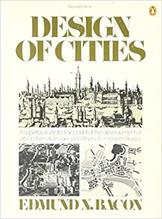
In a brilliant synthesis of words and pictures, Edmund N. Bacon relates historical examples to modern principles of urban planning. He vividly demonstrates how the work of great architects and planners of the past can influence subsequent development and be continued by later generations.
By illuminating the historical background of urban design, Bacon also shows us the fundamental forces and considerations that determine the form of a great city. Perhaps the most significant of these are simultaneous movement systems—the paths of pedestrian and vehicular traffic, public and private transportation—that serve as the dominant organizing force, and Bacon looks at movement systems in cities such as London, Rome, and New York.
He also stresses the importance of designing open space as well as architectural mass and discusses the impact of space, color, and perspective on the city-dweller. That the centers of cities should and can be pleasant places in which to live, work, and relax is illustrated by such examples as Rotterdam and Stockholm.

Urban Spaces
Inside Africa
Urban Economics
Product Design
Design now!
Design for Life
Smart Design
Japanese design
Design of Cities
711 BAC

In a brilliant synthesis of words and pictures, Edmund N. Bacon relates historical examples to modern principles of urban planning. He vividly demonstrates how the work of great architects and planners of the past can influence subsequent development and be continued by later generations.
By illuminating the historical background of urban design, Bacon also shows us the fundamental forces and considerations that determine the form of a great city. Perhaps the most significant of these are simultaneous movement systems—the paths of pedestrian and vehicular traffic, public and private transportation—that serve as the dominant organizing force, and Bacon looks at movement systems in cities such as London, Rome, and New York.
He also stresses the importance of designing open space as well as architectural mass and discusses the impact of space, color, and perspective on the city-dweller. That the centers of cities should and can be pleasant places in which to live, work, and relax is illustrated by such examples as Rotterdam and Stockholm.
Urban Spaces
ממוין
Inside Africa
ממוין
Urban Economics
ממוין
Interior Design Of The 20th Century
ממוין
Design Source Book
ממוין
Product Design
ממוין
A Companion To The City
ממוין
Kenzo Tange and the Metabolist Movement
ממוין
Design now!
ממוין
Modern Systems Analysis and Design
ממוין
Skin : surface, substance + design
ממוין
A History of Graphic Design
ממוין
MAKING PEOPLE - FRIENDLY TOWNS
ממוין
Design for Life
ממוין
Smart Design
ממוין
English architecture
ממוין
Japanese design
ממוין
Towards post-modernism
ממוין
Design of cities
ממוין
An Introduction to Design and Culture in the Twentieth Century
ממוין