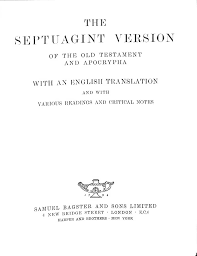

Ancient Jewish translation of Old Testament into Greek.
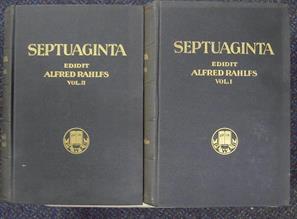
Septuagint, (in abbreviation, LXX), the collection of Jewish writings which became the Old Testament of the Greek-speaking Christians. They are mainly translated from the Hebrew (or *Aramaic) scriptures but include also some other pieces composed by Jews in the Hellenistic period, some in Greek and others translated from lost Semitic originals.The name is derived from a story preserved in Greek, the Letter of Aristeas (probably of the mid-2nd cent. bce; see aristeas, letter of), relating that Ptolemy II Philadelphus (see Ptolemy (1)), the contemporary king of Egypt, asked for a translation of the Jewish Law (the Torah, i.e. the Pentateuch), and was sent from Jerusalem 72 learned Jews who on the island of Pharos near *Alexandria (1) made a Greek translation of it for the royal library. (The number 70 became a popular alternative to 72 probably because of the widespread use of this number elsewhere in Jewish tradition.) The story which at first had some verisimilitude was embellished by later writers with legendary elements and was extended to include beside the Pentateuch the other translated books. The LXX was authoritative for *Philon (4), who claimed that the translators had been divinely inspired.