חיפוש מתקדם
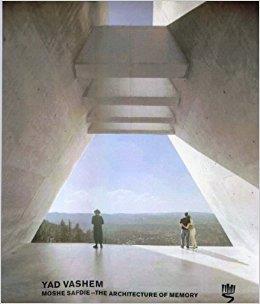
YAD VASHEM
Safdie, Moshe

The rebuilding of the Yad Vashem Holocaust Museum includes a new visitors’ center (Mevoah), a new history museum replacing the existing museum constructed in 1953, a Hall of Names, a synagogue, galleries for Holocaust art, an exhibitions pavilion and a learning and visual center. In addition, new underground parking and facilities for tour buses are located adjacent to a new entrance piazza. The overall program quadruples the permanent exhibition space. The mevoah is an arcaded concrete pavilion roofed by skylights and trellises, which cast ever-changing shadow patterns. It is reminiscent of a Succah. The lower level accommodates a restaurant and other public services. The historic museum consists of a mostly underground prismatic structure 16.5 meters high and 183 meters long (54 x 600 feet) that cuts through the Yad Vashem hillside, penetrating from the south and protruding to the north. A network of skylit underground galleries lines both sides of the prism.

 The Hall of Names, located toward the end of the historic museum, is a conical structure extending upward 9 meters (30 feet) and housing the personal records of all known Holocaust victims. A reciprocal cone, penetrating deep into the Jerusalem bedrock below, echoes the upper chamber and commemorates those whose names will never be known. The 20-hectare (50-acre) site also includes the Children’s Holocaust Memorial and the Transport Memorial, designed by Moshe Safdie and completed in 1987 and 1995, respectively, as well as the Hall of Remembrance, administrative offices, an education and archival center and the Valley of the Communities.
Breaking Ground
Masterpieces
The Golden House
Conditioning
Design for Life
Gehry talks
Workspheres
Moshe Safdie - The Architecture Of Memory
727.6(9) YAD

The rebuilding of the Yad Vashem Holocaust Museum includes a new visitors’ center (Mevoah), a new history museum replacing the existing museum constructed in 1953, a Hall of Names, a synagogue, galleries for Holocaust art, an exhibitions pavilion and a learning and visual center. In addition, new underground parking and facilities for tour buses are located adjacent to a new entrance piazza. The overall program quadruples the permanent exhibition space. The mevoah is an arcaded concrete pavilion roofed by skylights and trellises, which cast ever-changing shadow patterns. It is reminiscent of a Succah. The lower level accommodates a restaurant and other public services. The historic museum consists of a mostly underground prismatic structure 16.5 meters high and 183 meters long (54 x 600 feet) that cuts through the Yad Vashem hillside, penetrating from the south and protruding to the north. A network of skylit underground galleries lines both sides of the prism.

 The Hall of Names, located toward the end of the historic museum, is a conical structure extending upward 9 meters (30 feet) and housing the personal records of all known Holocaust victims. A reciprocal cone, penetrating deep into the Jerusalem bedrock below, echoes the upper chamber and commemorates those whose names will never be known. The 20-hectare (50-acre) site also includes the Children’s Holocaust Memorial and the Transport Memorial, designed by Moshe Safdie and completed in 1987 and 1995, respectively, as well as the Hall of Remembrance, administrative offices, an education and archival center and the Valley of the Communities.
Towards A New Museum
ממוין
THE MUSEUM OF INNOCENCE
The Museum Transformed
ממוין
The Yad Vashem Encyclopedia of the Ghettos during the Holocaust
ממוין
Breaking Ground
ממוין
Text of the Old Testament
ממוין
Masterpieces
ממוין
Designing the new museum
ממוין
Tevye the Dairyman and Motl the Cantor's Son
ספורת
The Golden House
ספורת
Conditioning
ממוין
Frank O. Gehry: Guggenheim Museum Bilbao
ממוין
Design for Life
ממוין
Gehry talks
ממוין
Towards post-modernism
ממוין
Workspheres
ממוין
Design and the elastic mind
ממוין
An Introduction to Design and Culture in the Twentieth Century
ממוין
20th century design
ממוין
The Immortal Throne
מדע בדיוני