חיפוש מתקדם
Wiesel, Elie

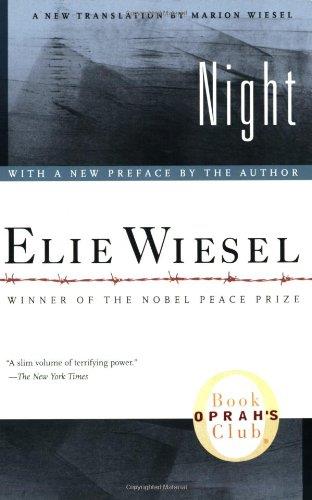
Night (1960) is a work by Elie Wiesel about his experience with his father in the Nazi German concentration camps at Auschwitz and Buchenwald in 1944–1945, at the height of the Holocaust toward the end of the Second World War. In just over 100 pages of sparse and fragmented narrative, Wiesel writes about the death of God and his own increasing disgust with humanity, reflected in the inversion of the parent–child relationship, as his father declines to a helpless state and Wiesel becomes his resentful teenage caregiver. "If only I could get rid of this dead weight ... Immediately I felt ashamed of myself, ashamed forever." In Night everything is inverted, every value destroyed. "Here there are no fathers, no brothers, no friends," a kapo tells him. "Everyone lives and dies for himself alone."

Wiesel was 16 when Buchenwald was liberated by the United States Army in April 1945, too late for his father, who died after a beating while Wiesel lay silently on the bunk above for fear of being beaten too. He moved to Paris after the war and in 1954 completed an 862-page manuscript in Yiddish about his experiences, published in Argentina as the 245-page Un di velt hot geshvign ("And the World Remained Silent"). The novelist François Mauriac helped him find a French publisher. Les Éditions de Minuit published 178 pages as La Nuit in 1958, and in 1960 Hill & Wang in New York published a 116-page translation as Night.

Fifty years later the book had been translated into 30 languages, and now ranks as one of the bedrocks of Holocaust literature. It remains unclear how much of Night is memoir. Wiesel has called it his deposition, but scholars have had difficulty approaching it as an unvarnished account. The literary critic Ruth Franklin writes that the pruning of the text from Yiddish to French transformed an angry historical account into a work of art.

Night is the first in a trilogy—Night, Dawn, Day—marking Wiesel's transition during and after the Holocaust from darkness to light, according to the Jewish tradition of beginning a new day at nightfall. "In Night," he said, "I wanted to show the end, the finality of the event. Everything came to an end—man, history, literature, religion, God. There was nothing left. And yet we begin again with night."
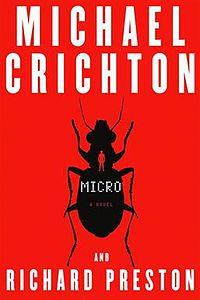
Micro : a novel
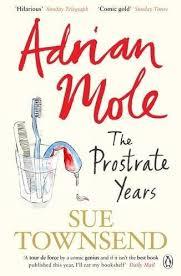
Adrian Mole
His illegal self
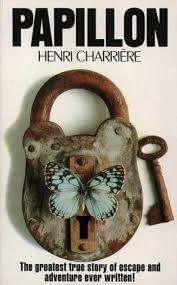
Papillon
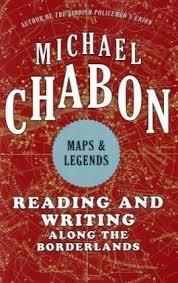
Maps and legends
Mortdecai
Night
A Jew Today
Night
אנגלית WIE

Night (1960) is a work by Elie Wiesel about his experience with his father in the Nazi German concentration camps at Auschwitz and Buchenwald in 1944–1945, at the height of the Holocaust toward the end of the Second World War. In just over 100 pages of sparse and fragmented narrative, Wiesel writes about the death of God and his own increasing disgust with humanity, reflected in the inversion of the parent–child relationship, as his father declines to a helpless state and Wiesel becomes his resentful teenage caregiver. "If only I could get rid of this dead weight ... Immediately I felt ashamed of myself, ashamed forever." In Night everything is inverted, every value destroyed. "Here there are no fathers, no brothers, no friends," a kapo tells him. "Everyone lives and dies for himself alone."

Wiesel was 16 when Buchenwald was liberated by the United States Army in April 1945, too late for his father, who died after a beating while Wiesel lay silently on the bunk above for fear of being beaten too. He moved to Paris after the war and in 1954 completed an 862-page manuscript in Yiddish about his experiences, published in Argentina as the 245-page Un di velt hot geshvign ("And the World Remained Silent"). The novelist François Mauriac helped him find a French publisher. Les Éditions de Minuit published 178 pages as La Nuit in 1958, and in 1960 Hill & Wang in New York published a 116-page translation as Night.

Fifty years later the book had been translated into 30 languages, and now ranks as one of the bedrocks of Holocaust literature. It remains unclear how much of Night is memoir. Wiesel has called it his deposition, but scholars have had difficulty approaching it as an unvarnished account. The literary critic Ruth Franklin writes that the pruning of the text from Yiddish to French transformed an angry historical account into a work of art.

Night is the first in a trilogy—Night, Dawn, Day—marking Wiesel's transition during and after the Holocaust from darkness to light, according to the Jewish tradition of beginning a new day at nightfall. "In Night," he said, "I wanted to show the end, the finality of the event. Everything came to an end—man, history, literature, religion, God. There was nothing left. And yet we begin again with night."
ET LA MER N'EST PAS REMPLIE
ספורת
SURVIVORS - THE NIGHT THE TITANIC SANK
אנגלית קלה ילדים
ADAM AND EVE AND PINCH ME
THE ARMIES OF THE NIGHT
ספורת
Micro : a novel
מתח
Adrian Mole
ספורת
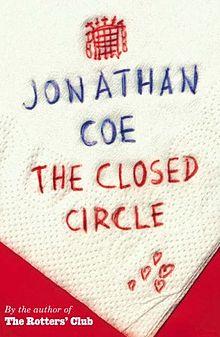
The closed circle
ספורת
His illegal self
ספורת
Papillon
ספורת
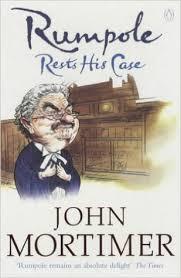
Rumpole rests his case
ספורת
Maps and legends
ספורת
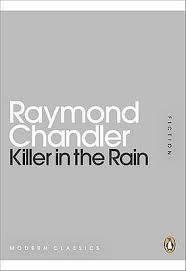
Killer in the rain
מתח
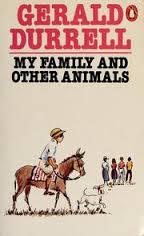
My family and other animals
ספורת
Mortdecai
מתח
The good lord bird
ספורת
I served the king of England
ספורת
Night
ספורת
Zalmen, or the Madness of God
מחזה
A Jew Today
ספורת
Good Night, Gorilla
אנגלית קלה ילדים