חיפוש מתקדם
Jencks, Charles A.

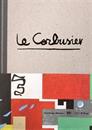
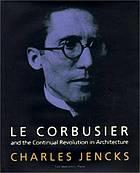
Swiss-French architect Le Corbusier dominated twentieth-century architecture much the way Picasso dominated painting. His outstanding achievements, his vision of a harmonious machine civilization, his paintings, drawings, sculpture, architecture, city planning, and writing together compose a portrait of the architect as "protean creator." Le Corbusier and the Continual Revolution in Architecture is a fascinating study of this genius.

Taking into account recent scholarship and new theories of architectural change, noted architectural historian Charles Jencks traces the personal and professional development of Le Corbusier. In association with the Purist painter Amédée Ozenfant, he gained fame in the 1920s, publishing the journal L'Esprit Nouveau and four seminal modernist tracts: Towards a New Architecture, The City of Tomorrow, The Decorative Art of Today, and La Peinture Moderne (Modern Painting). Jencks demonstrates the influence of these classic texts by way of the architect's major projects of the period: Villa La Roche, Workers' Housing at Pessac, the Plan Voisin for Paris, Villa Stein, Villa Savoye, and the steel furniture, including the famed grand confort and chaise longue. Through the 1930s and into the 1940s Le Corbusier embraced a new worldliness that included not only hand-built masonry but also an awakened sensuality and a shift in politics; after World War II, he embarked on yet another transformation, this time towards a new brutalist mode that saw the realization of the controversial Unité d'Habitation and the truly revolutionary chapel at Ronchamp.

Le Corbusier and the Continual Revolution in Architecture presents over two hundred illustrations including architectural drawings, plans, and photographs, as well as paintings, sketches, and publication facsimiles. With this illuminating collection of images and his revealing and provocative text, Charles Jencks has produced a compelling and comprehensive analysis of the twentieth-century master who stayed well ahead of his followers to reinvent the art of architecture over and over again.
 

Eco Structures
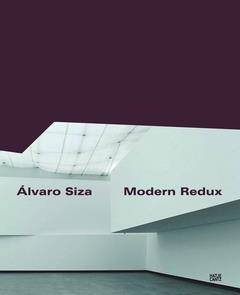
Alvaro Siza
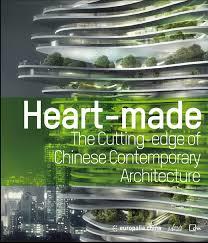
Heart-Made
Breaking Ground
Le Corbusier
Alvar Aalto
Gehry talks
Le Corbusier and the continual revolution in architecture
720.92 (LE C) JEN

Swiss-French architect Le Corbusier dominated twentieth-century architecture much the way Picasso dominated painting. His outstanding achievements, his vision of a harmonious machine civilization, his paintings, drawings, sculpture, architecture, city planning, and writing together compose a portrait of the architect as "protean creator." Le Corbusier and the Continual Revolution in Architecture is a fascinating study of this genius.

Taking into account recent scholarship and new theories of architectural change, noted architectural historian Charles Jencks traces the personal and professional development of Le Corbusier. In association with the Purist painter Amédée Ozenfant, he gained fame in the 1920s, publishing the journal L'Esprit Nouveau and four seminal modernist tracts: Towards a New Architecture, The City of Tomorrow, The Decorative Art of Today, and La Peinture Moderne (Modern Painting). Jencks demonstrates the influence of these classic texts by way of the architect's major projects of the period: Villa La Roche, Workers' Housing at Pessac, the Plan Voisin for Paris, Villa Stein, Villa Savoye, and the steel furniture, including the famed grand confort and chaise longue. Through the 1930s and into the 1940s Le Corbusier embraced a new worldliness that included not only hand-built masonry but also an awakened sensuality and a shift in politics; after World War II, he embarked on yet another transformation, this time towards a new brutalist mode that saw the realization of the controversial Unité d'Habitation and the truly revolutionary chapel at Ronchamp.

Le Corbusier and the Continual Revolution in Architecture presents over two hundred illustrations including architectural drawings, plans, and photographs, as well as paintings, sketches, and publication facsimiles. With this illuminating collection of images and his revealing and provocative text, Charles Jencks has produced a compelling and comprehensive analysis of the twentieth-century master who stayed well ahead of his followers to reinvent the art of architecture over and over again.
 

Russian Architecture And The West
ממוין
The Architecture of H. H. Richardson and His Times
ממוין
Eco Structures
ממוין
Alvaro Siza
ממוין
Materials, Form and Architecture
ממוין
Kenzo Tange and the Metabolist Movement
ממוין
Heart-Made
ממוין
Breaking Ground
ממוין
Le Corbusier
ממוין
Roman Architecture
ממוין
Islamic Architecture
ממוין
Baroque Architecture
ממוין
Architecture 2000 and Beyond
ממוין
Alvar Aalto
ממוין
Twentieth Century Architecture
ממוין
Visionary Architecture
ממוין
Dictionary of Architecture and Construction
ממוין
Gehry talks
ממוין
Towards post-modernism
ממוין
Architecture of the 19th century
ממוין