חיפוש מתקדם
Alexander, Christopher
Center for Environmental Structure

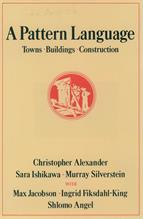
At the core of these books is the idea that people should design for themselves their own houses, streets, and communities. This idea may be radical (it implies a radical transformation of the architectural profession) but it comes simply from the observation that most of the wonderful places of the world were not made by architects but by the people. 

At the core of the books, too, is the point that in designing their environments people always rely on certain "languages," which, like the languages we speak, allow them to articulate and communicate an infinite variety of designs within a forma system which gives them coherence. This book provides a language of this kind. It will enable a person to make a design for almost any kind of building, or any part of the built environment. 

"Patterns," the units of this language, are answers to design problems (How high should a window sill be? How many stories should a building have? How much space in a neighborhood should be devoted to grass and trees?). More than 250 of the patterns in this pattern language are given: each consists of a problem statement, a discussion of the problem with an illustration, and a solution. As the authors say in their introduction, many of the patterns are archetypal, so deeply rooted in the nature of things that it seemly likely that they will be a part of human nature, and human action, as much in five hundred years as they are today.
Essential Design
The Smart House
Eco Structures
Pacific Pattern
The trojan horse
Smart Design
Japanese design
Touch Wood
A Pattern Language
720.1 ALE

At the core of these books is the idea that people should design for themselves their own houses, streets, and communities. This idea may be radical (it implies a radical transformation of the architectural profession) but it comes simply from the observation that most of the wonderful places of the world were not made by architects but by the people. 

At the core of the books, too, is the point that in designing their environments people always rely on certain "languages," which, like the languages we speak, allow them to articulate and communicate an infinite variety of designs within a forma system which gives them coherence. This book provides a language of this kind. It will enable a person to make a design for almost any kind of building, or any part of the built environment. 

"Patterns," the units of this language, are answers to design problems (How high should a window sill be? How many stories should a building have? How much space in a neighborhood should be devoted to grass and trees?). More than 250 of the patterns in this pattern language are given: each consists of a problem statement, a discussion of the problem with an illustration, and a solution. As the authors say in their introduction, many of the patterns are archetypal, so deeply rooted in the nature of things that it seemly likely that they will be a part of human nature, and human action, as much in five hundred years as they are today.
Essential Design
ממוין
The Smart House
ממוין
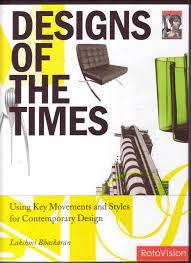
Designs of the Times
ממוין
Interior Design Of The 20th Century
ממוין
Eco Structures
ממוין
Pacific Pattern
ממוין
The trojan horse
אנגלית קלה ילדים
The timeless way of building
ממוין
Thou Shalt Innovate
ממוין
The Oregon Experiment
ממוין
Learn Android App Development
ממוין
Skin : surface, substance + design
ממוין
MAKING PEOPLE - FRIENDLY TOWNS
ממוין
Smart Design
ממוין
English architecture
ממוין
Japanese design
ממוין
The elements of design
ממוין
Looking into houses
ממוין
Touch Wood
ממוין
The NOble Art of Politics
קומיקס